3 Differences Between Cloud Servers and Dedicated Servers You Must Understand Before Choosing
Are you still saving your data on a computer’s local hard disk drive? It is time to leave that outdated method behind and start transitioning to server-based storage. However, before doing so, it is highly recommended to understand the differences between cloud servers and dedicated servers, which are widely used as data storage mediums for business. Both types of servers possess unique characteristics, meaning you need to make the right choice for your infrastructure.
In this article, Cloudmatika will dive deeper into cloud servers, dedicated servers, and the key distinctions between them. Read until the end so you can select the server service that perfectly aligns with your operations.
What is Meant by a Cloud Server?
Let us first break down the definitions of “cloud” and “server” individually. The term “cloud” refers to a network of servers that are virtually interconnected and deployed via software or applications. Meanwhile, a “server” itself is a computer system designed to store data or information for a website or application.
{{blogcard id=”111”}}
The way a server works can be illustrated like this: a website visitor sends a request or a demand for data, which is then received by the server. The server then processes and transmits the data corresponding to the visitor’s request so they can seamlessly access the required information.
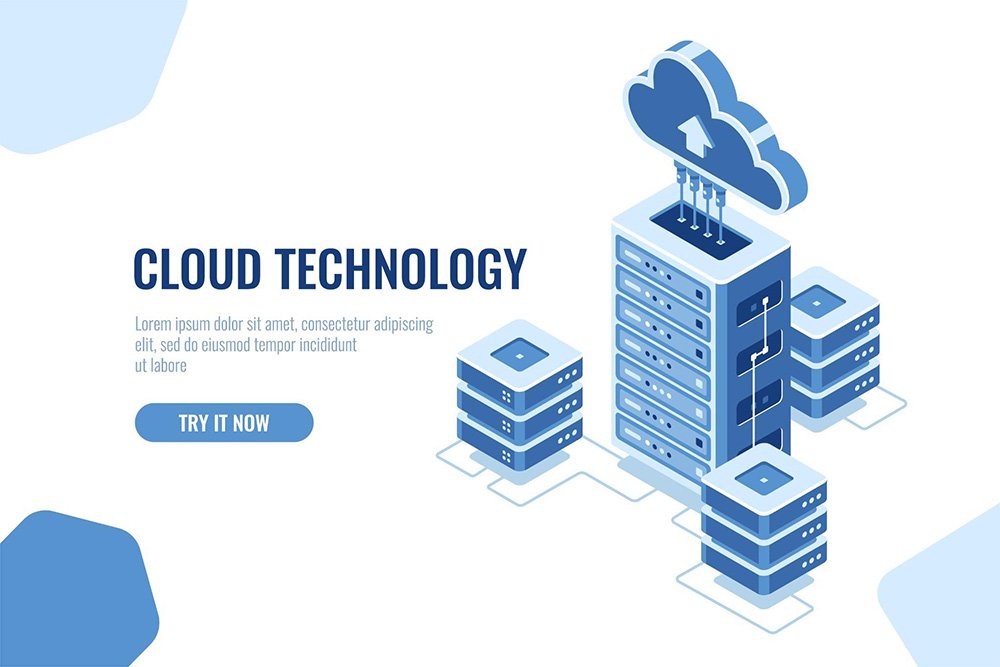
A cloud server, also widely implemented as a Virtual Private Server (VPS), is a virtualized server used to store, process, and transmit data. The entire data processing workflow within a cloud server requires an active internet connection to operate. Cloud servers are an integral component of the broader cloud computing ecosystem.
Within a cloud framework, multiple servers are virtually linked into a unified system to execute their primary functions: storing and sharing data. In short, a cloud server distributes computing workloads across a localized and optimized network of machines.
Cloud servers function as storage hubs for personal data, application deployments, and web hosting. This architecture is vastly superior to a computer’s local hardware storage because it can be accessed from anywhere using any device, including smartphones and tablets.
What Is a Dedicated Server?
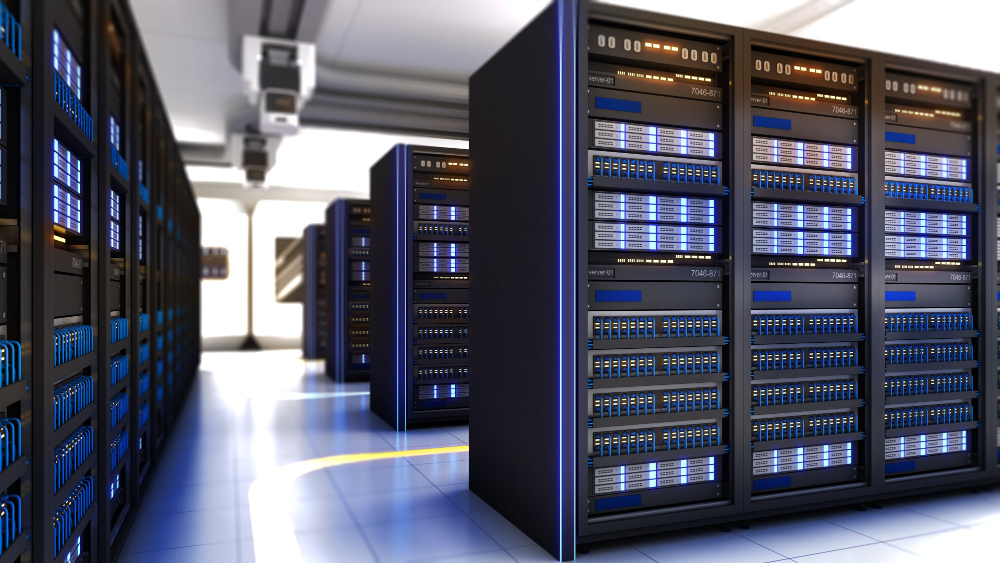
A dedicated server refers to a physical, bare-metal server that is explicitly provisioned for a single user or organization. As the owner of a dedicated server, you must provide a specialized on-premise room (data center/server room) and possess the technical skills required to manage the hardware. Typically, websites that utilize dedicated servers are those with exceptionally high traffic volumes that house massive amounts of critical data, such as large marketplace or e-commerce platforms.
{{blogcard id=”180”}}
A dedicated server has distinct traits that set it apart from other environments. You receive dedicated IP addresses and maintain the exclusive autonomy to manage the server accounts and core machine infrastructure independently. Simply put, you hold full root control over the server, allowing for optimal hardware customization. However, you will require dedicated IT specialists if you have not yet mastered its operating system and infrastructure management.
Due to its fully isolated and dedicated nature, you are free to configure a dedicated server according to your company’s specific demands. A dedicated server allows you to install custom operating systems (OS) and proprietary software, develop new applications, and deeply modify or optimize internal program scripts. This server is not only aimed at basic data sharing but is also highly capable of anchoring heavy corporate platforms like a custom Learning Management System (LMS).
What are the Key Differences Between a Cloud Server and a Dedicated Server?
The most fundamental difference between a cloud server and a dedicated server lies in its physical form. A dedicated server is a physical machine that requires specialized real estate and infrastructure to manage, whereas a cloud server is virtualized and can be accessed securely from anywhere.
The core advantages of these two solutions also differ. A dedicated server shines because it gives you absolute control over the physical hardware customization. On the other hand, a cloud server stands out because it allows your workforce to access data seamlessly, significantly streamlining remote collaboration and file sharing.
To help you look beyond basic definitions, let us dive deeper into the core differences between a cloud server and a dedicated server across these three main pillars:
1. Operational Costs
A cloud server does not require a massive upfront capital investment to operate, yet it delivers features that closely mirror the performance of a dedicated server. Even if a physical hardware component within the cloud cluster fails, the cloud server automatically migrates and continues to run seamlessly. Furthermore, you can utilize a flexible pay-as-you-go model, paying only for the specific cloud resources or services your business actually consumes.
{{blogcard id=”221”}}
Conversely, the operational expenditures for a dedicated server are quite substantial and do not yet include ongoing physical maintenance costs. Every physical server in your inventory requires its own dedicated systems administrator to ensure operational health and peak performance.
2. Ease of Management
With a cloud server, you do not have to worry about physical hardware maintenance or unexpected hardware failures because the infrastructure vendor handles all the heavy lifting. The provider ensures the underlying cloud architecture runs smoothly around the clock, proactively mitigating potential disruptions. Consequently, your team can focus entirely on utilizing the server to manage data and grow the business.
{{blogcard id=”218”}}
On the other flip of the coin, a dedicated server offers higher localized security boundaries because you directly manage every single layer of the machine. Your internal expert IT personnel can fully manipulate and tailor the server management protocols to precisely align with your custom corporate workflows.
3. Infrastructure Reliability
The structural reliability of a cloud server and a dedicated server varies significantly. A cloud server environment excels at spinning up multiple data instances or redundant backups. You can easily utilize this virtual framework to guarantee the continuous delivery of content and databases, even when bridging data to underlying bare-metal environments.
A dedicated server is also highly reliable due to its isolated, high-security nature. However, it requires flawless maintenance, as there is no room for error. Because it lacks the automatic failover clusters of a cloud environment, a minor hardware glitch or a localized cooling issue can cause the entire server system to experience severe downtime or completely crash.
Ready to Make Your Choice?
Now that you understand the differences between a cloud server and a dedicated server, you can make an informed decision. For fast-growing startup companies, Cloudmatika strongly recommends a cloud server architecture as the ideal path. It eliminates the need to provision expensive server rooms on-premise while significantly lowering your overhead costs for specialized hardware engineering.
If you are looking for the right cloud service provider, look no further than the Virtual Private Cloud services by Cloudmatika, backed by over 20 years of global expertise in the cloud computing industry. You won’t have to deal with overly complex coding arrays to manage your environment; our platform features the user-friendly Plesk control panel, making server management intuitive, professional, and effortless.
Contact Cloudmatika right now to select the perfect service package tailored specifically to your business needs!
Secure & Grow Your Business with Cloudmatika
Cyber threats and service disruptions can happen anytime, directly impacting your operations and customer trust.
Cloudmatika provides a complete cloud & cybersecurity solution — from WAF and Cyber Protection to Cloud Storage — to keep your business safe and running smoothly.
Talk to our team about your infrastructure needs today.