A Closer Look at the Different Types of Firewalls

Optimizing protection for computer systems, networks, and devices is made easier with the use of a firewall. However, you should know that there are many different types of firewalls. What are the different types of firewalls?
There are certainly many different types of firewalls, and each type has its own specifications. To choose the right firewall, you should select one that best suits your needs. To find out which type of firewall suits your needs, read on in the following article!
What Are the Different Types of Firewalls for Security?
There is more than one type of firewall, distinguished by their level of sophistication and the evolving times. Here are the types of firewalls you need to know!
1. Packet-Filtering Firewalls
Packet-filtering firewalls are the most basic type. It can also be said that this type of firewall is the oldest compared to other firewalls.
Packet-filtering firewalls work by filtering traffic based on a set of rules, or a firewall rule set, which applies to every layer of the network. In some cases, this firewall rule set also applies to the transport layer.
You can create your own firewall rule set by determining which rules to include in the firewall and specifying how many transport layers will pass through it. For example, you might want to block incoming traffic from IP addresses not approved by your firewall.
There are several advantages and disadvantages to packet-filtering firewalls that you should be aware of; here’s an explanation.
- The advantages of packet-filtering firewalls include fast performance. Additionally, these firewalls have minimal impact on network performance and are cost-effective.
- Furthermore, a drawback of packet-filtering firewalls is their limited sensitivity to connection status, leading to uncertainty regarding connection authorization and making them vulnerable to spoofing attacks. This firewall does not inspect the packet payload and only examines the packet header, which allows malicious payloads to enter undetected.
2. Circuit-Level Gateways
Circuit-level gateways primarily operate at the session layer. These firewalls can be said to work quickly and easily in rejecting or accepting incoming traffic.
Circuit-level gateways must deal with the Transmission Control Protocol (TCP). This firewall examines the messages involved in the TCP mechanism, which are then compared against predefined session rules to determine whether the session is valid or not.
In certain cases, a session on the system has session rules that only allow or validate sessions from recognized devices. If an unknown device initiates a session, the circuit-level gateway will block that session.
Circuit-level gateways certainly have their advantages and disadvantages. Here are some advantages you should know:
- Circuit-level gateways are considered to be high-performance firewalls. This type of firewall is also affordable and has a minimal impact on network performance.
- Circuit-level gateways also have disadvantages, such as being unable to detect any threats lurking within packet payloads. Additionally, circuit-level gateways operate on only one layer: the session layer.
3. Stateful Inspection Firewall
Unlike the two previous types of firewalls, a stateful inspection firewall examines both the incoming packets and their sources. It inspects the entire packet payload to determine whether it complies with the firewall’s rule set. If the packet meets the rules, it is allowed to pass through the firewall.
Like other firewalls, stateful inspection firewalls also have their pros and cons. Here are the pros and cons of stateful inspection firewalls.
- Stateful inspection firewalls have superior capabilities for filtering and inspecting packets. These firewalls reduce exposure to potential threats such as port scanning. Additionally, they generate detailed logs to assist with digital forensics.
- A disadvantage of stateful inspection firewalls is that they require more resources than other firewalls to perform optimal filtering. Another drawback is that this type of firewall is more expensive than the previous two types.
4. Proxy Firewall
Another name for a proxy firewall is an application-level gateway. This firewall operates at the application layer. Proxy firewalls have advanced packet inspection capabilities by examining the entire packet payload.
A proxy firewall prevents two communicating devices from connecting directly. Essentially, when two devices communicate through a proxy firewall, the firewall establishes two separate connections. The proxy firewall sits between the two devices, ensuring that external devices cannot see your server’s IP address, and the firewall protects internal IP addresses from external devices.
Proxy firewalls have several advantages. The advantages of proxy firewalls include the following:
- This firewall provides the security found in most types of firewalls. Proxy firewalls can also perform in-depth inspection of incoming packets and their payloads.
- Proxy firewalls protect internal IP addresses and prevent unauthorized parties from gathering valuable information about your internal network.
However, proxy firewalls can increase latency due to their in-depth packet inspection. Proxy firewalls also only support a limited number of network protocols and come at a higher-than-average cost, even compared to stateful inspection firewalls.
5. Next-Generation Firewalls
Next-generation firewalls are often referred to as the top-tier firewalls due to their cutting-edge technology. Next-generation firewalls offer deep packet filtering. Additionally, these firewalls feature intrusion prevention systems (IDS/IPS) that analyze packet information and behavior, enabling them to detect potential threats.
This type of firewall provides multiple security protections in a single solution and performs checks at every layer. However, a drawback is that it requires more system resources. When comparing next-generation firewalls to other types, they entail the highest cost.
6. Software Firewalls
This type of software firewall is also commonly known as a host firewall, which is essentially a software application. However, it should be noted that a software firewall differs from antivirus software, even though its installation process is similar to that of standard software.
This software firewall operates on specific devices due to its specialized installation process, which is tailored to specific hardware. This provides a unique advantage: the software firewall has a deeper understanding of the device’s internal processes. Overall, this firewall provides a more detailed level of protection.
However, during operation, software firewalls compete with other software applications for CPU, RAM, and storage resources. Installation is also limited to specific platforms. For example, if you install this firewall only on Windows, it will not function on devices running other platforms, such as Mac and Linux.
7. Hardware Firewalls
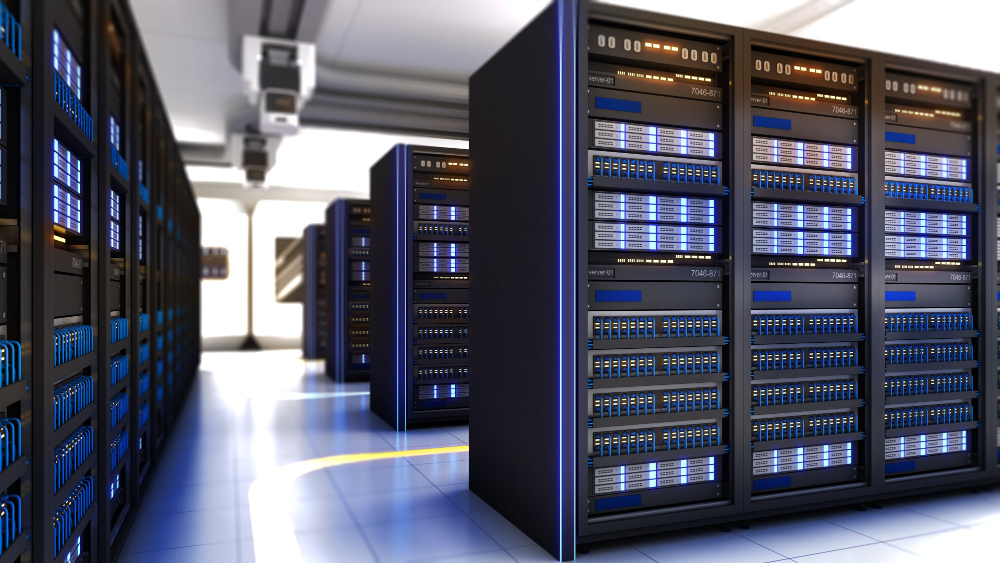
Hardware firewalls are also known as network appliance firewalls, which are network devices with firewall capabilities. These firewalls take the form of standalone devices with their own CPU, RAM, and storage. Their appearance is similar to that of a router.
A drawback of hardware firewalls is that they require a trained administrator to operate them, and compared to software firewalls, they incur higher costs due to the need for additional physical hardware.
8. Cloud Firewall
Cloud firewall is also commonly referred to as Firewall-as-a-Service (FaaS), which is essentially a cloud service that functions as a firewall. This type of firewall is provided by a third party, which also acts as the provider for managing and operating the cloud firewalls. This third party handles nearly all administrative tasks, such as installation, deployment, patching, and troubleshooting related to the cloud firewall.
Why Should You Choose a Cloud Firewall?
Among the many types of firewalls, there are several reasons why you should choose a cloud firewall to help optimize protection for computer systems, networks, and devices. Here are the reasons you need to know!
1. Automatic Updates
A cloud firewall enables real-time automatic updates. Since the most dangerous threats are unknown cyber threats, if a threat occurs and updates are delayed for 24 hours, this increases the likelihood of new threats endangering your devices.
2. Robust Redundancy
Cloud firewalls offer high-capacity, redundant backup availability. This is due to their always-on, automated power systems.
3. Simplified Management
If you have multiple branch offices, using physical firewalls at each location can be relatively expensive. However, this is different with a cloud firewall; managing and overseeing each branch office becomes easier and more controlled.
4. Robust Identity Verification and Access Management
A cloud firewall helps distinguish between human traffic and bot attacks. Advanced digital identity verification on the cloud firewall helps determine further access to data and the entire network infrastructure.
5. Cloud Firewalls Offer Scalability
Cloud firewalls have unlimited scalability potential, like most cloud services in general. Over time, as needs grow, you will no longer need physical firewalls for protection.
6. Flexible Pricing
Cloud firewalls come in a range of prices and are highly flexible. This is because these firewalls are provided by third-party vendors who offer their services at various price points to compete with other providers. When selecting a provider that offers features tailored to your needs, be sure to choose a price that fits your budget.
To select a third-party provider for cloud firewall services, you don’t need to worry about finding the best option among providers across Indonesia. Cloudmatika offers the Web Application Firewall (WAF) service, so you can rest assured your computer systems, networks, and devices are protected.
Web Application Firewall (WAF) by Cloudmatika will accurately, quickly, and effectively block various types of web attacks using detection and analysis technology. Cloudmatika also offers a cloud firewall at an affordable price with very easy access for clients.
Have you made your choice? Contact Cloudmatika today for a cloud firewall with state-of-the-art protection capabilities!
Secure & Grow Your Business with Cloudmatika
Cyber threats and service disruptions can happen anytime, directly impacting your operations and customer trust.
Cloudmatika provides a complete cloud & cybersecurity solution — from WAF and Cyber Protection to Cloud Storage — to keep your business safe and running smoothly.
Talk to our team about your infrastructure needs today.