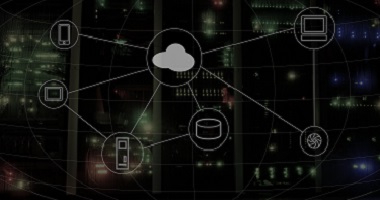
The changing times cannot be separated from the development of technology in this world. One of the technologies currently expanding rapidly in Indonesia is Cloud Computing technology. With this technology, we no longer find it difficult to search, store, and manage data and information systems.
Many business owners in Indonesia have started to scale their businesses by utilizing Cloud systems, as they are easier, faster, and can be accessed anytime and anywhere. There are so many things that can be found within this Cloud system, such as: Web Hosting, Virtual Private Server (VPS), and Cloud Server/Virtual Data Center (Dedicated Server).
However, do you know the differences among the three? If not, Cloud Users do not need to worry, Cloudmatika will provide an explanation regarding all three. Below is the explanation and differences of Web Hosting, Virtual Private Server (VPS), and Cloud Server/Virtual Data Center.
Web Hosting is a place or central hub to accommodate all files and data required to build a website so that it can be accessed through the internet. These files and data can include images, scripts, emails, databases, domains, and more. With web hosting, business developers can build a website for their business or company so that it can be viewed and read by other people via the internet.
Virtual Private Server works just like a Cloud Server/VDC (Dedicated Server) and can also be utilized as Web Hosting. A Virtual Private Server is a virtual server that enables the allocation of resources into virtual machines on a server. What distinguishes it from Web Hosting is that you are free to determine the Operating System you wish to use and you gain root access. Inside a VPS, you are free to install any application program, and you can install a panel as the parent of Web Hosting that can split resources into several hostings.
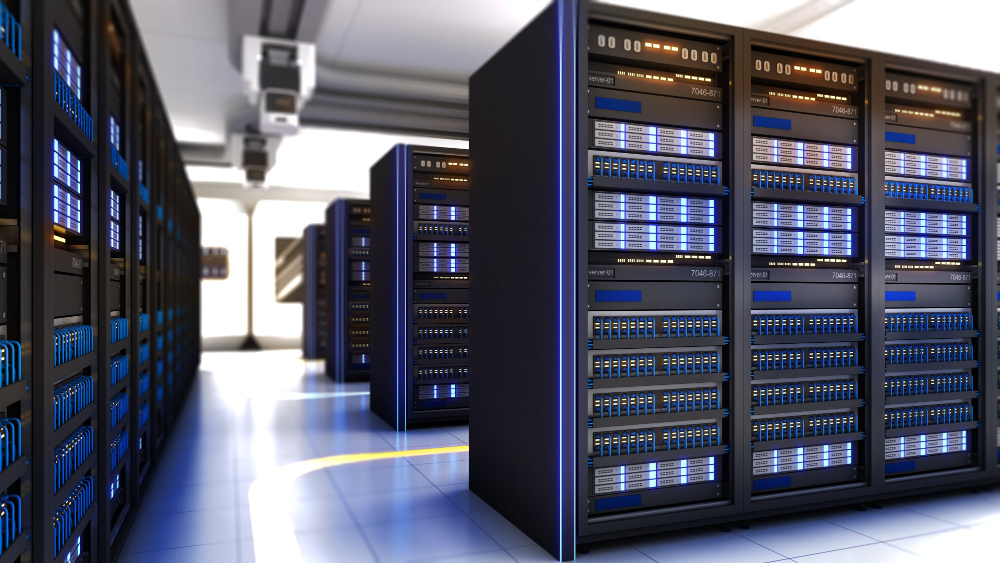
Cloud Server/Virtual Data Center (Dedicated Server) is a cloud server that is highly flexible and can be used for large-scale requirements. You can determine your resource needs according to your preferences, such as RAM, CPU, Hard disk, etc. With Cloud Server/VDC, you can create virtual machines, containers, or dockers with a wide selection of operating systems.
With Cloud Server/VDC, users can utilize server resources freely because the server administration is managed or owned by the server owner. A dedicated server is commonly used by hosting service providers (VPS/Shared Hosting), application service providers, or websites that have high traffic and require high resources.