In the era of digital transformation, data has become one of the most important assets for companies. From business applications and customer databases to operational systems, everything depends on a stable and secure IT infrastructure. Therefore, many companies have started to use high-standard data centers, such as Tier 3 Data Centers, to ensure that digital services continue to run without interruption.
This standard is not only related to data storage facilities, but also includes system reliability, infrastructure redundancy, and the ability to continue operations even during maintenance or technical disruptions. With the right data center support, businesses can maintain service performance while minimizing the risk of downtime.
So, what exactly is a Tier 3 Data Center, and why is this standard important for modern business operations?
Read also: Data Center, an Easy Solution to Secure Your Data!
What is a Tier 3 Data Center?
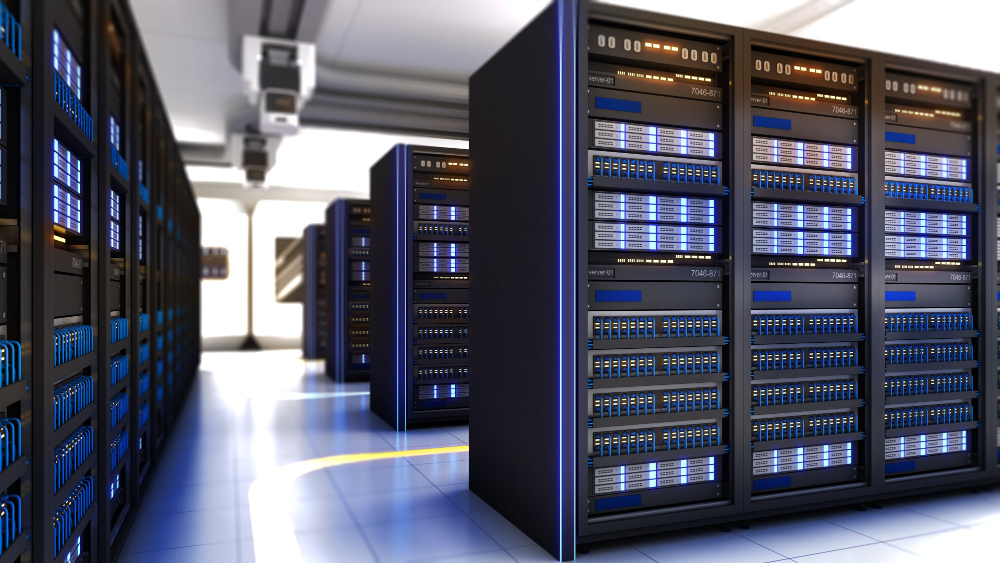
A Tier 3 Data Center is designed to provide a high level of reliability for a company’s IT operations. It features redundant infrastructure and dual distribution paths, ensuring that servers continue to operate even if one component fails or requires maintenance.
The key concept of Tier 3 is concurrently maintainable, meaning the system can remain operational while maintenance is performed on parts of the infrastructure. This allows maintenance activities to be carried out without disrupting running services.
Some of the main characteristics of a Tier 3 Data Center include:
- N+1 redundancy infrastructure for critical components such as power and cooling
- More than one power and network distribution path
- Maintenance activities can be performed without shutting down the system
- Very high service availability with low downtime risk
With this standard, companies can ensure that digital systems remain available to support daily business operations.
Differences Between Tier 3 and Other Tier Data Centers
To understand the advantages of Tier 3, it is also important to know the differences between it and other data center levels.
Tier 1
Tier 1 is the basic level of data centers. Infrastructure at this level usually only has one power distribution and cooling line without a redundancy system, so the risk of operational disruptions is relatively higher.
Tier 2
Tier 2 already has several backup components to support system operations. However, this data center still uses a single main distribution line, so when maintenance is performed, there is still a possibility of system disruption.
Tier 3
In Tier 3, the data center is designed with dual distribution lines and redundant components, so the system can continue to run even when maintenance is performed or there is a disruption to one of the components.
Tier 4
Tier 4 is the highest level of data center with a fault tolerance concept. The infrastructure at this level is capable of continuing to operate even if several components fail at once.
For most companies, a Tier 3 data center is the ideal choice because it provides a balance between system reliability and operational cost efficiency.
Why Do Businesses Need a Tier 3 Data Center?
With the increasing use of digital technology, many companies are moving their systems to professional data centers or cloud services. The goal is to improve service stability while maintaining data security.
Here are some reasons why Tier 3 Data Centers are the choice of many companies:
1. High System Availability
With redundant infrastructure, the risk of downtime can be minimized so that business applications continue to run smoothly.
2. Better Infrastructure Security
High-standard data centers are generally equipped with physical and digital security systems to protect company data from various potential threats.
3. Supports 24/7 Operations
Companies that run digital services such as e-commerce platforms, business applications, or cloud-based services need systems that can run non-stop around the clock.
4. More Scalable Infrastructure
Modern data centers allow companies to adjust server capacity, data storage, and networks in line with growing business needs.
Operational Risks Without Reliable Data Center Infrastructure
Companies that use IT infrastructure without adequate data center standards potentially face various risks, including:
- Business application downtime
- Company operational disruptions
- Loss of important data
- Decline in customer trust
- Financial losses due to system failure
In addition, threats such as ransomware, hardware failure, and human error can also cause a company’s systems to stop operating.
Therefore, companies not only need a reliable data center but also effective system protection and recovery strategies.
The Importance of Disaster Recovery for Data Center Infrastructure
Even though Tier 3 Data Centers have a high level of reliability, the risk of disruption remains. These disruptions can originate from natural disasters, cyber attacks, hardware damage, or system configuration errors that have the potential to cause service downtime and disrupt business operations.
In these circumstances, a Disaster Recovery strategy becomes very important to ensure that system recovery can be carried out quickly and to minimize the impact of disruptions on the company’s digital services.
To help companies maintain business continuity, Cloudmatika provides Disaster Recovery services designed to protect IT systems from various risks of disruption.
This solution enables companies to perform data backup, data replication, and rapid system recovery, thereby minimizing downtime and allowing digital services to resume operation in a short time when an incident occurs.
Read also: Data Center Regulations in Indonesia: Regulations, Security Standards, and Best Practices for Companies
Who Needs This Infrastructure?
Tier 3 Data Center and Disaster Recovery solutions are essential for companies that rely on digital systems, such as:
- Technology companies and digital startups
- E-commerce platforms
- Fintech and financial services companies
- Companies with cloud-based business applications
- Organizations that require 24/7 digital services
For these businesses, even a few minutes of downtime can impact the company’s reputation and revenue.
By using a data center that meets these standards, companies can maintain the stability of their digital services while minimizing the risk of downtime. This is especially true when combined with a capable Disaster Recovery solution.
Through the Disaster Recovery service from Cloudmatika, which works by making copies of important data, systems, and applications on backup infrastructure that can be activated when the main system experiences disruptions, such as cyber attacks, server failures, or other disasters, it will protect IT infrastructure while ensuring that business operations continue to run stably even in the event of unexpected incidents.
Get your Data Center needs at Cloudmatika right now!


 admin / March 27, 2026
 admin / March 26, 2026
 admin / March 26, 2026
 admin / March 26, 2026