Understanding the Components of Cloud Computing
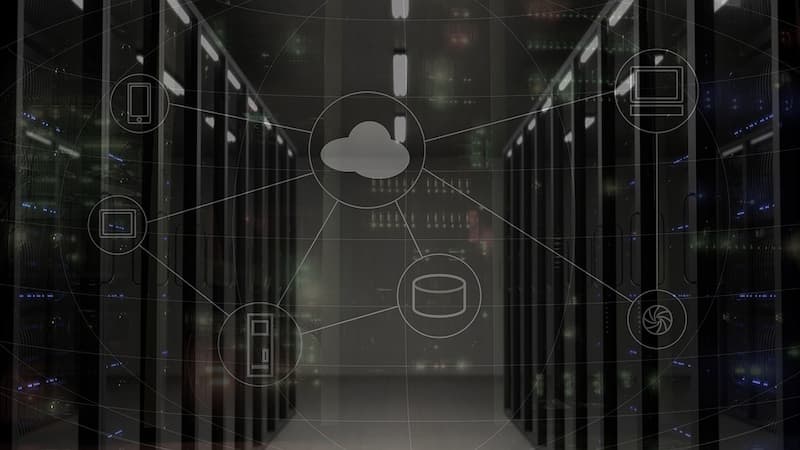
Just like a house, building a cloud-based storage system also requires infrastructure. This infrastructure is built using several integrated cloud computing components. Without these cloud computing components, a cloud-based storage system cannot function.
Want to know what cloud computing components are used to build cloud infrastructure? Let’s explore the details in the following Cloudmatika article.
What are the components of cloud computing?
The components used to build cloud infrastructure generally consist of hardware, networking equipment, storage, servers, and virtualization tools. For more details, read the full explanation below.
1. Hardware
Hardware in cloud computing serves as the foundation for building a cloud infrastructure, functioning to store all the code and functions of the system being created.
The types of hardware used to build a cloud computing system typically include switches, routers, storage arrays, load balancers, firewalls, servers, and backup devices. To improve quality and performance, regular maintenance of the hardware is necessary.
2. Networking Equipment
Networking is a crucial component for building a cloud-based storage system. Networks function as transmission and communication media to connect multiple devices into a single system.
{{blogcard id=”185″}}
Some types of components included in networking equipment are repeaters, modems, bridges, hubs, NICs, and others. One key consideration regarding network devices is bandwidth. The higher the bandwidth used, the better the quality of the resulting cloud technology.
3. Storage
Storage is the component used to store data. Data storage in cloud computing systems is typically performed online using virtual servers. Such a system makes it easier for users to utilize cloud services to add or delete data without needing to provide additional hardware like hard drives or SSDs.
However, careful consideration must be given to the selection of storage capacity. If the stored data exceeds the storage capacity, the server load increases, which can lead to storage failure.
4. Server
The server functions to provide specific services to network devices and serves as the information hub for the cloud computing system in use. Through the server, you can manage all activities within the cloud computing system. Servers are typically equipped with scalable processors and large amounts of RAM.
Just like with hardware, performing routine maintenance on the server is also necessary to prevent bugs that could disrupt the cloud computing storage system.
5. Virtualization Tools
Virtualization tools in cloud computing include user, desktop, and application storage virtualization. These tools utilize online data resources, making the cloud computing system more agile and effective.
One virtualization technique is the hypervisor. This technique allows multiple operating systems to run simultaneously on a single host. The hypervisor ensures that each operating system runs in turn without interfering with the others.
What are the storage formats used in cloud computing technology?
In addition to understanding the types of components used, you also need to know the formats that can be stored in cloud computing technology. Read the explanation below.
1. Object Storage
Data storage using the object storage format divides files into several parts. The divided data is then tagged with metadata identifiers and stored as unencrypted objects. This object storage format is ideal for storing data that frequently changes dynamically.
2. Block Storage
The block storage format divides data into blocks and then stores them across multiple different storage servers. The data is distributed across the available hardware environment. The block storage format is highly recommended for storing static data.
3. File Storage
This file storage format is very similar to local hardware storage on a PC or laptop. File storage is typically associated with the use of NAS (Network-Attached Storage). The advantage of file storage is that it’s easy to configure as a single path, preventing data from being split into multiple parts.
After reading the explanation above, you now have a better understanding of the components you need to prepare before using cloud computing. Cloud computing itself is a storage technology widely used by companies or businesses that provide their services or products via the internet.
You can use the Cloudmatika Cloud VPS service if you’re interested in trying out cloud computing technology. This service offers several options that you can customize to your needs, ranging from virtualization technology and operating systems to the storage capacity you wish to use.
In addition, Cloudmatika also provides a control panel feature called Plesk that makes it easy for you to install, set up, and manage your cloud computing system. Go ahead and contact Cloudmatika right now to place an order or consult further about cloud computing components.
Recent Articles
-
 Cloudmatika / July 17, 2026
How to Install and Configure an SSL Certificate on Windows Server and IIS
-
 Cloudmatika / March 30, 2026
Tier 3 Data Center for Stable Business Operations
-
 Cloudmatika / March 30, 2026
Cyber Protect for the Digital Industry: Strategies for Protecting Data, Systems, and Business Operations
-
 Cloudmatika / March 26, 2026
Save Costs with Containers in a Virtual Data Center
-
 Cloudmatika / March 26, 2026
Zimbra Email & Collaboration for Cost Efficiencies